No-Added-Sugar Snacks: What the Label Still Needs to Prove
No-added-sugar snacks are trending, but the claim is not the whole story. Learn how to judge fruit concentrates, dates, sweeteners, calories, and portions.
No-added-sugar snacks are trending because people want sweetness without feeling careless.
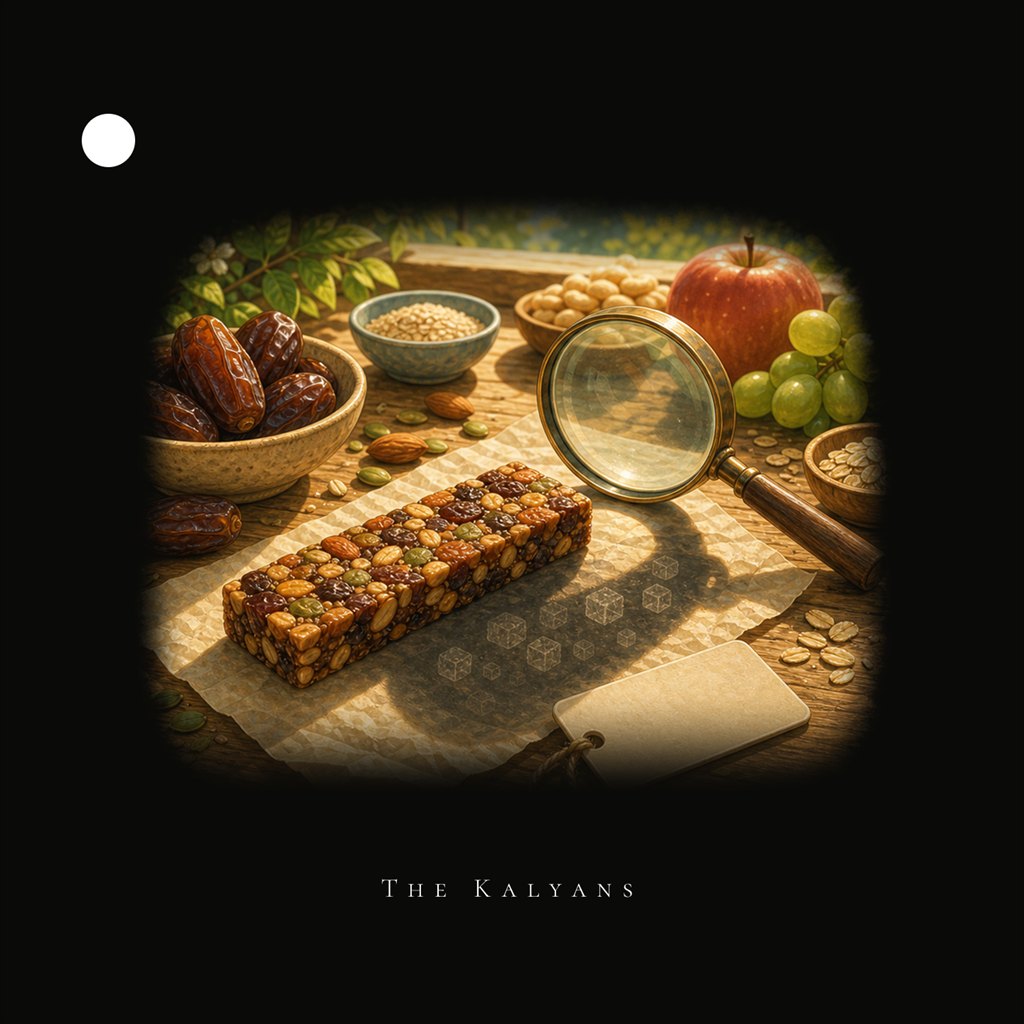
No-added-sugar snacks are trending because people want sweetness without feeling careless. The claim can be useful, but it is not the full story. A snack can have no added sugar and still be very sweet, calorie-dense, or low in real nourishment.
Dates, raisins, figs, fruit paste, fruit concentrate, and jaggery-like ingredients may all shape sweetness in different ways. Some count as added sugar depending on regulation and use. Either way, your body still experiences sweetness and energy.
Read the ingredient list
If dates or fruit paste are the first ingredient, the snack may be naturally sweet and dense. That can be fine, but portion size matters. If artificial or intense sweeteners are used, check whether they suit your digestion and taste.
Check total carbohydrate and calories
No added sugar does not mean low calorie. Nut bars, date rolls, energy bites, and sweet protein snacks can be dense. This is useful before exercise or travel, less useful when you simply want something light.
Sweetness can train expectation
Even when sugar is reduced, very sweet products can keep the palate expecting dessert-level sweetness every day. Better snacks should help food feel calmer, not louder.
For another claim-heavy category, read Functional Snacks: Collagen, Probiotics, Caffeine, and Claims.
Questions Most Labels Avoid
Can no-added-sugar snacks still be very sweet?
Yes. Dates, raisins, fruit concentrates, syrups, and juices can make a snack sweet and calorie-dense without table sugar appearing as an ingredient. The WHO free-sugars guideline is a useful lens: labels matter, but the total sweetener load and portion matter too.